Cancer genome sequencing
Cancer genome sequencing is a comprehensive approach to understanding the genetic alterations that define the behavior of cancer. This method involves sequencing the DNA of cancerous cells to identify mutations, rearrangements, and other genetic changes that can drive the development and progression of cancer. By comparing the cancer genome to the genome of normal cells, researchers can identify specific genetic differences that may be responsible for the disease.
Overview[edit]
Cancer is a genetic disease caused by changes to genes that control the way our cells function, especially how they grow and divide. These changes include mutations in the DNA sequence, which can be inherited or acquired during a person's life. Cancer genome sequencing aims to map out all the genetic changes found in a particular cancer, providing a genetic blueprint of the disease.
Techniques[edit]
Several techniques are used in cancer genome sequencing, including whole-genome sequencing (WGS), whole-exome sequencing (WES), and targeted sequencing. WGS involves sequencing the entire genome of a cancer cell, while WES sequences only the exome, the part of the genome that codes for proteins. Targeted sequencing focuses on specific areas of interest, such as genes known to be involved in cancer.
Applications[edit]
The information gained from cancer genome sequencing can be used in multiple ways:
- Diagnosis and Classification: Identifying the genetic alterations in a cancer can help in diagnosing the type and subtype of cancer, providing information that is crucial for accurate classification and prognosis.
- Targeted Therapy: By understanding the specific mutations that drive a cancer, doctors can select treatments that specifically target those changes. This approach, known as precision medicine, can lead to more effective and less toxic treatments.
- Risk Assessment: Sequencing the genomes of familial cancer syndromes can identify inherited mutations that increase the risk of cancer, allowing for personalized screening and prevention strategies.
- Research: Cancer genome sequencing provides a wealth of data for researchers, helping to uncover new cancer genes, understand the mechanisms of cancer development, and identify potential therapeutic targets.
Challenges[edit]
Despite its potential, cancer genome sequencing faces several challenges. The complexity of the cancer genome, with its myriad mutations and rearrangements, makes it difficult to distinguish driver mutations that contribute to cancer progression from passenger mutations that are biologically irrelevant. Additionally, the cost and technical demands of sequencing and data analysis are significant, though these are decreasing over time.
Future Directions[edit]
As technology advances, cancer genome sequencing is becoming more accessible and affordable, promising to revolutionize cancer diagnosis, treatment, and research. Efforts are underway to integrate genomic data into clinical practice, improve data sharing and analysis tools, and understand the ethical, legal, and social implications of genomic information.
See Also[edit]

-
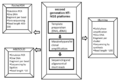 Second Generation Sequencing
 -
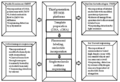 Third Generation Sequencing
 -
Cancer Genome Sequencing Workflow


Sponsored Health Resource

W8MD Weight Loss, Sleep & MedSpa
Looking for physician-supervised weight loss, semaglutide, tirzepatide, or GLP-1 receptor agonist options? W8MD helps eligible patients in New York City, Brooklyn, New Jersey, Connecticut, Pennsylvania, Delaware, and greater Philadelphia with medical weight loss, sleep medicine, and long-term maintenance support.
GLP-1 specials: Affordable GLP-1 injections NYC and Philadelphia starting from $29.99/week and up for semaglutide with insurance accepted for qualifying visits, and $45/week and up for tirzepatide with insurance accepted for qualifying visits. Self-pay options start from $59.99/week and up for semaglutide and $69.99/week and up for tirzepatide.
- Medical weight loss NYC
- Affordable GLP-1 injections NYC
- Budget GLP-1 weight loss shots Philadelphia
- New Jersey medical weight loss
- NYC medical weight loss blog
- Philadelphia weight loss blog
- Sleep medicine and sleep apnea services
- W8MD MedSpa and wellness
Book a W8MD appointment · View GLP-1 specials
Paid promotional message. Eligibility, pricing, insurance coverage, medication availability, and results vary. Medical evaluation required.

Medical Disclaimer: WikiMD is for informational purposes only and is not a substitute for professional medical advice. Content may be inaccurate or outdated and should not be used for diagnosis or treatment. Always consult your healthcare provider for medical decisions. Verify information with trusted sources such as CDC.gov and NIH.gov. By using this site, you agree that WikiMD is not liable for any outcomes related to its content. See full disclaimer.
Credits:Most images are courtesy of Wikimedia commons, and templates, categories Wikipedia, licensed under CC BY SA or similar.
Translate page: - East Asian
中文,
日本,
한국어,
South Asian
हिन्दी,
தமிழ்,
తెలుగు,
Urdu,
ಕನ್ನಡ,
Southeast Asian
Indonesian,
Vietnamese,
Thai,
မြန်မာဘာသာ,
বাংলা
European
español,
Deutsch,
français,
Greek,
português do Brasil,
polski,
română,
русский,
Nederlands,
norsk,
svenska,
suomi,
Italian
Middle Eastern & African
عربى,
Turkish,
Persian,
Hebrew,
Afrikaans,
isiZulu,
Kiswahili,
Other
Bulgarian,
Hungarian,
Czech,
Swedish,
മലയാളം,
मराठी,
ਪੰਜਾਬੀ,
ગુજરાતી,
Portuguese,
Ukrainian


