Interferon beta-1a
Interferon beta-1a is a type of interferon used in the treatment of multiple sclerosis (MS). It is a protein that is produced in the body in response to viral infections and has been manufactured through recombinant DNA technology for therapeutic use. Interferon beta-1a is designed to help control the immune system and reduce inflammation, potentially slowing the progression of multiple sclerosis, a chronic disease that affects the central nervous system.
Mechanism of Action[edit]
Interferon beta-1a works by modulating the body's immune response. Although the exact mechanism of action in multiple sclerosis is not fully understood, it is believed to:
- Reduce the production of inflammatory substances in the body.
- Enhance the ability of the immune system to fight off viruses and other pathogens.
- Decrease the rate at which immune cells cross the blood-brain barrier, potentially reducing the number of MS attacks.
Indications[edit]
Interferon beta-1a is indicated for the treatment of patients with relapsing forms of multiple sclerosis. This includes patients who have experienced a first clinical episode and have MRI features consistent with multiple sclerosis. The goal of treatment is to decrease the frequency of clinical exacerbations and to slow the progression of physical disability.
Administration[edit]
Interferon beta-1a is administered by subcutaneous injection or intramuscular injection, depending on the product formulation. The frequency of injections varies from once a week to three times a week, also depending on the specific product and patient needs.
Side Effects[edit]
Common side effects of interferon beta-1a include:
- Injection site reactions
- Flu-like symptoms (e.g., fever, chills, muscle aches)
- Fatigue
- Headache
- Pain
Patients are often advised to take the medication at bedtime and may use over-the-counter pain relievers to help manage flu-like symptoms.
Efficacy[edit]
Clinical trials have demonstrated that interferon beta-1a can reduce the frequency of relapses, delay the progression of disability, and decrease the number and size of active lesions as seen on MRI scans in patients with relapsing forms of multiple sclerosis.
Comparison with Other Treatments[edit]
Interferon beta-1a is one of several disease-modifying therapies available for the treatment of multiple sclerosis. Other options include interferon beta-1b, glatiramer acetate, and newer oral medications. The choice of therapy depends on the disease course, the patient's preference, side effect profile, and other factors.
Conclusion[edit]
Interferon beta-1a represents a significant advancement in the treatment of multiple sclerosis, offering patients a means to manage their disease and maintain a better quality of life. Ongoing research and development in the field of MS therapies continue to provide hope for even more effective treatments in the future.
 | This medical article is a stub. You can help WikiMD by expanding the page. |
-
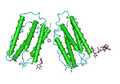 Structure of Human Interferon Beta-1a
 -
 Medical Implant
 -
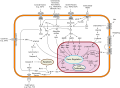 Signal Transduction Pathways


Sponsored Health Resource

W8MD Weight Loss, Sleep & MedSpa
Looking for physician-supervised weight loss, semaglutide, tirzepatide, or GLP-1 receptor agonist options? W8MD helps eligible patients in New York City, Brooklyn, New Jersey, Connecticut, Pennsylvania, Delaware, and greater Philadelphia with medical weight loss, sleep medicine, and long-term maintenance support.
GLP-1 specials: Affordable GLP-1 injections NYC and Philadelphia starting from $29.99/week and up for semaglutide with insurance accepted for qualifying visits, and $45/week and up for tirzepatide with insurance accepted for qualifying visits. Self-pay options start from $59.99/week and up for semaglutide and $69.99/week and up for tirzepatide.
- Medical weight loss NYC
- Affordable GLP-1 injections NYC
- Budget GLP-1 weight loss shots Philadelphia
- New Jersey medical weight loss
- NYC medical weight loss blog
- Philadelphia weight loss blog
- Sleep medicine and sleep apnea services
- W8MD MedSpa and wellness
Book a W8MD appointment · View GLP-1 specials
Paid promotional message. Eligibility, pricing, insurance coverage, medication availability, and results vary. Medical evaluation required.

Medical Disclaimer: WikiMD is for informational purposes only and is not a substitute for professional medical advice. Content may be inaccurate or outdated and should not be used for diagnosis or treatment. Always consult your healthcare provider for medical decisions. Verify information with trusted sources such as CDC.gov and NIH.gov. By using this site, you agree that WikiMD is not liable for any outcomes related to its content. See full disclaimer.
Credits:Most images are courtesy of Wikimedia commons, and templates, categories Wikipedia, licensed under CC BY SA or similar.
Translate page: - East Asian
中文,
日本,
한국어,
South Asian
हिन्दी,
தமிழ்,
తెలుగు,
Urdu,
ಕನ್ನಡ,
Southeast Asian
Indonesian,
Vietnamese,
Thai,
မြန်မာဘာသာ,
বাংলা
European
español,
Deutsch,
français,
Greek,
português do Brasil,
polski,
română,
русский,
Nederlands,
norsk,
svenska,
suomi,
Italian
Middle Eastern & African
عربى,
Turkish,
Persian,
Hebrew,
Afrikaans,
isiZulu,
Kiswahili,
Other
Bulgarian,
Hungarian,
Czech,
Swedish,
മലയാളം,
मराठी,
ਪੰਜਾਬੀ,
ગુજરાતી,
Portuguese,
Ukrainian

