Wax gourd
Wax gourd, also known as winter melon, white gourd, or ash gourd, is a vine grown for its very large fruit, eaten as a vegetable when mature. It is the only member of the genus Benincasa. The fruit is covered in a fuzzy coating of fine hairs when young. The immature melon has thick white flesh that is sweet when eaten. By maturity, the fruit loses its hairs and develops a waxy coating, giving rise to the name wax gourd, and providing a long shelf life. The melon may grow as large as 80 cm in length.
Cultivation and uses[edit]
Wax gourd is grown in South Asia, Southeast Asia, China, Korea, Japan, Russia, and parts of Africa. It is commonly used in Asian cuisine, and is a common ingredient in soups, stews, and stir-fries. In Ayurveda, the wax gourd is known as Kushmanda, and is used in various treatments for disorders like epilepsy, asthma, lung diseases, urine retention, internal hemorrhage and many others.
Nutritional value[edit]
Wax gourd is a good source of Vitamin C and Vitamin B2. It also contains significant amounts of Dietary fiber, Potassium, Zinc, and Iron, and is low in calories, making it a healthy choice for those seeking to maintain a balanced diet.
See also[edit]
| 🌱 | This Cucurbitaceae related article is a stub. |

-
Wax gourd
-
Wax gourd
-
Wax gourd
-
Wax gourd
-
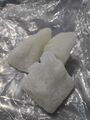 Wax gourd
 -
Wax gourd
-
Wax gourd
-
Wax gourd
-
Wax gourd
-
 Wax gourd
 -
Wax gourd
-
Wax gourd


Medical Disclaimer: WikiMD is for informational purposes only and is not a substitute for professional medical advice. Content may be inaccurate or outdated and should not be used for diagnosis or treatment. Always consult your healthcare provider for medical decisions. Verify information with trusted sources such as CDC.gov and NIH.gov. By using this site, you agree that WikiMD is not liable for any outcomes related to its content. See full disclaimer.
Credits:Most images are courtesy of Wikimedia commons, and templates, categories Wikipedia, licensed under CC BY SA or similar.
Translate page: - East Asian
中文,
日本,
한국어,
South Asian
हिन्दी,
தமிழ்,
తెలుగు,
Urdu,
ಕನ್ನಡ,
Southeast Asian
Indonesian,
Vietnamese,
Thai,
မြန်မာဘာသာ,
বাংলা
European
español,
Deutsch,
français,
Greek,
português do Brasil,
polski,
română,
русский,
Nederlands,
norsk,
svenska,
suomi,
Italian
Middle Eastern & African
عربى,
Turkish,
Persian,
Hebrew,
Afrikaans,
isiZulu,
Kiswahili,
Other
Bulgarian,
Hungarian,
Czech,
Swedish,
മലയാളം,
मराठी,
ਪੰਜਾਬੀ,
ગુજરાતી,
Portuguese,
Ukrainian


.jpg)


