2019–2020 vaping lung illness outbreak
The 2019–2020 vaping lung illness outbreak, also known as EVALI (e-cigarette, or vaping, product use-associated lung injury), was a significant public health crisis in the United States. The outbreak was characterized by a sudden increase in cases of severe lung illness associated with the use of e-cigarettes and vaping products.
Background[edit]
The outbreak began in mid-2019 and was primarily linked to the use of tetrahydrocannabinol (THC)-containing products. Many of these products were obtained from informal sources, such as friends, family, or in-person or online dealers. The Centers for Disease Control and Prevention (CDC) and other health agencies conducted extensive investigations to identify the cause of the outbreak.
Symptoms and Diagnosis[edit]
Patients affected by EVALI typically presented with respiratory symptoms such as cough, shortness of breath, and chest pain. Other symptoms included gastrointestinal issues like nausea, vomiting, and diarrhea, as well as systemic symptoms such as fever, fatigue, and weight loss. Diagnosis was primarily based on clinical presentation and history of e-cigarette or vaping product use.
Epidemiology[edit]

The outbreak affected thousands of individuals across the United States, with a significant number of cases requiring hospitalization. The CDC reported that the majority of patients were young adults, with a median age of 24 years. The outbreak resulted in numerous fatalities, highlighting the severe nature of the illness.
Treatment and Management[edit]
Treatment for EVALI primarily involved supportive care, including oxygen therapy and, in severe cases, mechanical ventilation.

Corticosteroids were often used to reduce lung inflammation. Patients were advised to discontinue the use of e-cigarette or vaping products, particularly those containing THC.
Public Health Response[edit]
The outbreak prompted a significant public health response, including warnings from the CDC and the Food and Drug Administration (FDA) about the risks associated with vaping. The FDA's Forensic Chemistry Center played a crucial role in analyzing samples of vaping products to identify harmful substances.
Media and Public Awareness[edit]

The outbreak received extensive media coverage, raising public awareness about the potential dangers of vaping. Health agencies conducted telebriefings and released educational materials to inform the public about the risks associated with e-cigarette use.
Related Pages[edit]
Gallery[edit]
-
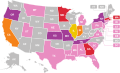 2019 US vaping lung disease outbreak fatalities
 -
Telebriefing on vaping
-
 FDA’s Forensic Chemistry Center
 -
 Frequently reported brand names of THC and nicotine-containing e-cigarette or vaping products


Sponsored Health Resource

W8MD Weight Loss, Sleep & MedSpa
Looking for physician-supervised weight loss, semaglutide, tirzepatide, or GLP-1 receptor agonist options? W8MD helps eligible patients in New York City, Brooklyn, New Jersey, Connecticut, Pennsylvania, Delaware, and greater Philadelphia with medical weight loss, sleep medicine, and long-term maintenance support.
GLP-1 specials: Affordable GLP-1 injections NYC and Philadelphia starting from $29.99/week and up for semaglutide with insurance accepted for qualifying visits, and $45/week and up for tirzepatide with insurance accepted for qualifying visits. Self-pay options start from $59.99/week and up for semaglutide and $69.99/week and up for tirzepatide.
- Medical weight loss NYC
- Affordable GLP-1 injections NYC
- Budget GLP-1 weight loss shots Philadelphia
- New Jersey medical weight loss
- NYC medical weight loss blog
- Philadelphia weight loss blog
- Sleep medicine and sleep apnea services
- W8MD MedSpa and wellness
Book a W8MD appointment · View GLP-1 specials
Paid promotional message. Eligibility, pricing, insurance coverage, medication availability, and results vary. Medical evaluation required.

Medical Disclaimer: WikiMD is for informational purposes only and is not a substitute for professional medical advice. Content may be inaccurate or outdated and should not be used for diagnosis or treatment. Always consult your healthcare provider for medical decisions. Verify information with trusted sources such as CDC.gov and NIH.gov. By using this site, you agree that WikiMD is not liable for any outcomes related to its content. See full disclaimer.
Credits:Most images are courtesy of Wikimedia commons, and templates, categories Wikipedia, licensed under CC BY SA or similar.
Translate page: - East Asian
中文,
日本,
한국어,
South Asian
हिन्दी,
தமிழ்,
తెలుగు,
Urdu,
ಕನ್ನಡ,
Southeast Asian
Indonesian,
Vietnamese,
Thai,
မြန်မာဘာသာ,
বাংলা
European
español,
Deutsch,
français,
Greek,
português do Brasil,
polski,
română,
русский,
Nederlands,
norsk,
svenska,
suomi,
Italian
Middle Eastern & African
عربى,
Turkish,
Persian,
Hebrew,
Afrikaans,
isiZulu,
Kiswahili,
Other
Bulgarian,
Hungarian,
Czech,
Swedish,
മലയാളം,
मराठी,
ਪੰਜਾਬੀ,
ગુજરાતી,
Portuguese,
Ukrainian

