Renewable resource
Renewable resources are natural resources that can be replenished in a short amount of time relative to a human lifespan. This is in contrast to non-renewable resources, which are consumed much faster than they can be replaced. Renewable resources include solar energy, wind energy, hydro energy, geothermal energy, and biomass energy.
Overview[edit]
Renewable resources are part of our natural environment and form our life-support system. They are central to the functioning of all known ecosystems and play a key role in supporting life on Earth. The use of renewable resources has been increasing due to a variety of factors including environmental concerns, high oil prices, and government subsidies.
Types of Renewable Resources[edit]
Solar Energy[edit]
Solar energy is the most abundant energy resource on earth. It can be captured and used in several ways, and as a renewable energy source, is an important part of our clean energy future.
Wind Energy[edit]
Wind energy is a form of solar energy. Wind energy (or wind power) describes the process by which wind is used to generate electricity.
Hydro Energy[edit]
Hydro energy or hydroelectricity is the term referring to electricity generated by hydropower; the production of electrical power through the use of the gravitational force of falling or flowing water.
Geothermal Energy[edit]
Geothermal energy is heat derived within the sub-surface of the earth. Water or steam carries the geothermal energy to the Earth's surface.
Biomass Energy[edit]
Biomass is organic material that comes from plants and animals, and it is a renewable source of energy.
See Also[edit]
- Sustainable energy
- Energy conservation
- Renewable energy commercialization
- Renewable energy in the United States
- Renewable energy in the European Union
References[edit]

This WikiMD article can only be edited by registered and verified editors. You can log in or register.
Renewable resource[edit]
-
Chilean purse seine
-
Sawmill in Fügen, Zillertal
-
Global Vegetation
-
 Sinclair Wetlands
 -
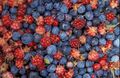 Alaska wild berries
 -
Polyculture
-
Manantenina bushfire
-
Douglas des farges
-
Japan Factory Ship Nisshin Maru Whaling Mother and Calf
-
Hemp insulation
-
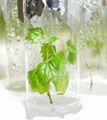 FA Geisenheim
 -
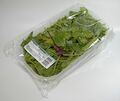 Bio-K Blister


Medical Disclaimer: WikiMD is for informational purposes only and is not a substitute for professional medical advice. Content may be inaccurate or outdated and should not be used for diagnosis or treatment. Always consult your healthcare provider for medical decisions. Verify information with trusted sources such as CDC.gov and NIH.gov. By using this site, you agree that WikiMD is not liable for any outcomes related to its content. See full disclaimer.
Credits:Most images are courtesy of Wikimedia commons, and templates, categories Wikipedia, licensed under CC BY SA or similar.
Translate page: - East Asian
中文,
日本,
한국어,
South Asian
हिन्दी,
தமிழ்,
తెలుగు,
Urdu,
ಕನ್ನಡ,
Southeast Asian
Indonesian,
Vietnamese,
Thai,
မြန်မာဘာသာ,
বাংলা
European
español,
Deutsch,
français,
Greek,
português do Brasil,
polski,
română,
русский,
Nederlands,
norsk,
svenska,
suomi,
Italian
Middle Eastern & African
عربى,
Turkish,
Persian,
Hebrew,
Afrikaans,
isiZulu,
Kiswahili,
Other
Bulgarian,
Hungarian,
Czech,
Swedish,
മലയാളം,
मराठी,
ਪੰਜਾਬੀ,
ગુજરાતી,
Portuguese,
Ukrainian


_-_panoramio.jpg)


