Aralkylamine N-acetyltransferase
Overview of antigenic variation in pathogens
Antigenic variation is a mechanism by which an infectious organism alters its surface proteins in order to evade a host immune response. This process is crucial for the survival of many pathogens, allowing them to persist in the host and cause chronic infections. Antigenic variation is a common strategy among viruses, bacteria, and protozoa.
Mechanisms[edit]
Antigenic variation can occur through several mechanisms, including:
Gene conversion[edit]
Gene conversion involves the replacement of one gene segment with another, leading to the expression of a different antigenic variant. This mechanism is well-studied in the African trypanosome, which uses gene conversion to switch its variant surface glycoprotein (VSG) coat.
Site-specific recombination[edit]
Site-specific recombination is a process where specific DNA sequences are rearranged, leading to changes in the expressed antigens. This mechanism is used by Borrelia burgdorferi, the causative agent of Lyme disease, to vary its outer surface proteins.
Hypermutation[edit]
Hypermutation involves rapid mutations in the genes encoding surface antigens. This is a common strategy in RNA viruses such as influenza and HIV, where the high mutation rate of the viral genome leads to frequent changes in the antigenic properties of the virus.
Epigenetic regulation[edit]
Epigenetic changes, such as DNA methylation and histone modification, can also lead to antigenic variation by altering the expression of surface antigen genes without changing the underlying DNA sequence. This mechanism is observed in Plasmodium falciparum, the parasite responsible for malaria.
Biological significance[edit]
Antigenic variation allows pathogens to:
- Evade the host's immune system by altering the antigens that are recognized by antibodies and T cells.
- Prolong infection and increase the chances of transmission to new hosts.
- Adapt to different host environments and immune pressures.
Examples in pathogens[edit]
Trypanosoma brucei[edit]
The African trypanosome, Trypanosoma brucei, is a protozoan parasite that causes African sleeping sickness. It uses antigenic variation to switch its VSG coat, allowing it to evade the host's immune response.
Plasmodium falciparum[edit]
Plasmodium falciparum, the most virulent species of malaria-causing parasites, uses antigenic variation to alter the expression of PfEMP1 proteins on the surface of infected red blood cells, helping it avoid immune detection.
Neisseria gonorrhoeae[edit]
Neisseria gonorrhoeae, the bacterium responsible for gonorrhea, undergoes antigenic variation of its pili and outer membrane proteins to escape immune surveillance.
Related pages[edit]
Gallery[edit]
-
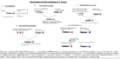 Mechanisms of VSG switching in Trypanosoma brucei.
 -
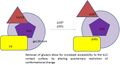 Mutation effects on HIV gp120 binding.


Aralkylamine N-acetyltransferase[edit]
-
Structure of Aralkylamine N-acetyltransferase (PDB code 1KUX)
-
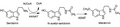 Synthesis of Melatonin from Serotonin through two enzymatic steps

Sponsored Health Resource

W8MD Weight Loss, Sleep & MedSpa
Looking for physician-supervised weight loss, semaglutide, tirzepatide, or GLP-1 receptor agonist options? W8MD helps eligible patients in New York City, Brooklyn, New Jersey, Connecticut, Pennsylvania, Delaware, and greater Philadelphia with medical weight loss, sleep medicine, and long-term maintenance support.
GLP-1 specials: Affordable GLP-1 injections NYC and Philadelphia starting from $29.99/week and up for semaglutide with insurance accepted for qualifying visits, and $45/week and up for tirzepatide with insurance accepted for qualifying visits. Self-pay options start from $59.99/week and up for semaglutide and $69.99/week and up for tirzepatide.
- Medical weight loss NYC
- Affordable GLP-1 injections NYC
- Budget GLP-1 weight loss shots Philadelphia
- New Jersey medical weight loss
- NYC medical weight loss blog
- Philadelphia weight loss blog
- Sleep medicine and sleep apnea services
- W8MD MedSpa and wellness
Book a W8MD appointment · View GLP-1 specials
Paid promotional message. Eligibility, pricing, insurance coverage, medication availability, and results vary. Medical evaluation required.

Medical Disclaimer: WikiMD is for informational purposes only and is not a substitute for professional medical advice. Content may be inaccurate or outdated and should not be used for diagnosis or treatment. Always consult your healthcare provider for medical decisions. Verify information with trusted sources such as CDC.gov and NIH.gov. By using this site, you agree that WikiMD is not liable for any outcomes related to its content. See full disclaimer.
Credits:Most images are courtesy of Wikimedia commons, and templates, categories Wikipedia, licensed under CC BY SA or similar.
Translate page: - East Asian
中文,
日本,
한국어,
South Asian
हिन्दी,
தமிழ்,
తెలుగు,
Urdu,
ಕನ್ನಡ,
Southeast Asian
Indonesian,
Vietnamese,
Thai,
မြန်မာဘာသာ,
বাংলা
European
español,
Deutsch,
français,
Greek,
português do Brasil,
polski,
română,
русский,
Nederlands,
norsk,
svenska,
suomi,
Italian
Middle Eastern & African
عربى,
Turkish,
Persian,
Hebrew,
Afrikaans,
isiZulu,
Kiswahili,
Other
Bulgarian,
Hungarian,
Czech,
Swedish,
മലയാളം,
मराठी,
ਪੰਜਾਬੀ,
ગુજરાતી,
Portuguese,
Ukrainian


