Streptomyces
Streptomyces is a genus of Gram-positive bacteria that belongs to the phylum Actinobacteria. It is the largest genus of Actinobacteria, with over 500 species worldwide. Streptomyces is renowned for its ability to produce a wide range of secondary metabolites, including many antibiotics, antifungals, and antiparasitics.
Characteristics[edit]
Streptomyces are aerobic, spore-forming bacteria that are found in soil and decaying vegetation. They are characterized by a complex secondary metabolism and produce over two-thirds of the clinically useful antibiotics of natural origin.
Metabolism[edit]
Streptomyces are capable of metabolizing a wide range of organic compounds. They are known for their ability to produce a variety of secondary metabolites, including antibiotics, antifungals, antiparasitics, and other bioactive compounds.
Antibiotic production[edit]
Streptomyces is the largest antibiotic-producing genus, with over 500 species producing potent antibiotics. The antibiotics produced by Streptomyces include streptomycin, neomycin, and chloramphenicol.
Genomics[edit]
The genomes of several Streptomyces species have been sequenced, providing valuable insights into their complex secondary metabolism and their ability to adapt to diverse environments.
See also[edit]
References[edit]

This WikiMD article can only be edited by registered and verified editors. You can log in or register.
-
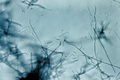 Streptomyces sp 01
 -
Streptomyces mycelial sheets
-
 Saptomycin D and E Structures


Medical Disclaimer: WikiMD is for informational purposes only and is not a substitute for professional medical advice. Content may be inaccurate or outdated and should not be used for diagnosis or treatment. Always consult your healthcare provider for medical decisions. Verify information with trusted sources such as CDC.gov and NIH.gov. By using this site, you agree that WikiMD is not liable for any outcomes related to its content. See full disclaimer.
Credits:Most images are courtesy of Wikimedia commons, and templates, categories Wikipedia, licensed under CC BY SA or similar.
Translate page: - East Asian
中文,
日本,
한국어,
South Asian
हिन्दी,
தமிழ்,
తెలుగు,
Urdu,
ಕನ್ನಡ,
Southeast Asian
Indonesian,
Vietnamese,
Thai,
မြန်မာဘာသာ,
বাংলা
European
español,
Deutsch,
français,
Greek,
português do Brasil,
polski,
română,
русский,
Nederlands,
norsk,
svenska,
suomi,
Italian
Middle Eastern & African
عربى,
Turkish,
Persian,
Hebrew,
Afrikaans,
isiZulu,
Kiswahili,
Other
Bulgarian,
Hungarian,
Czech,
Swedish,
മലയാളം,
मराठी,
ਪੰਜਾਬੀ,
ગુજરાતી,
Portuguese,
Ukrainian


