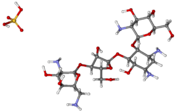
Paromomycin works by binding to the 16S rRNA of the 30S ribosomal subunit in bacteria, which interferes with the protein synthesis process. This binding causes the ribosome to misread the mRNA, leading to the production of faulty proteins and ultimately resulting in the death of the bacterial cell. In protozoa, the exact mechanism is not fully understood, but it is believed to disrupt protein synthesis in a similar manner.
Paromomycin is typically administered orally in the form of capsules or tablets. The dosage and duration of treatment depend on the type and severity of the infection being treated. For certain infections, such as visceral leishmaniasis, paromomycin may be administered intramuscularly.
Paromomycin should be used with caution in patients with pre-existing renal impairment or hearing disorders. It is important to monitor kidney function and hearing during treatment, especially in patients receiving high doses or prolonged therapy.
Looking for physician-supervised weight loss, semaglutide, tirzepatide, or GLP-1 receptor agonist options? W8MD helps eligible patients in New York City, Brooklyn, New Jersey, Connecticut, Pennsylvania, Delaware, and greater Philadelphia with medical weight loss, sleep medicine, and long-term maintenance support.
GLP-1 specials:Affordable GLP-1 injections NYC and Philadelphia starting from $29.99/week and up for semaglutide with insurance accepted for qualifying visits, and $45/week and up for tirzepatide with insurance accepted for qualifying visits. Self-pay options start from $59.99/week and up for semaglutide and $69.99/week and up for tirzepatide.
Paid promotional message. Eligibility, pricing, insurance coverage, medication availability, and results vary. Medical evaluation required.
Medical Disclaimer: WikiMD is for informational purposes only and is not a substitute for professional medical advice. Content may be inaccurate or outdated and should not be used for diagnosis or treatment. Always consult your healthcare provider for medical decisions. Verify information with trusted sources such as CDC.gov and NIH.gov. By using this site, you agree that WikiMD is not liable for any outcomes related to its content. See full disclaimer.