Pharmacodynamics of estradiol
Estradiol is a naturally occurring steroid hormone and the primary female sex hormone. It is involved in the regulation of the menstrual cycle and estrus cycle. The pharmacodynamics of estradiol refer to the biochemical and physiological effects of estradiol on the body and its mechanisms of action.
Mechanism of Action[edit]
Estradiol exerts its effects by binding to and activating the estrogen receptor (ER), a class of intracellular receptor that is expressed in various tissues including the uterus, breast, vagina, and brain. Upon binding, the estradiol-ER complex translocates to the cell nucleus, where it acts as a transcription factor to modulate the expression of estrogen-responsive genes.
Effects on the Body[edit]
Estradiol has widespread effects on the body. It is crucial for the development and maintenance of female secondary sexual characteristics, such as the growth of the breasts and the widening of the hips. It also plays a key role in the regulation of the menstrual cycle and is involved in the maintenance of bone health.
In the brain, estradiol influences mood, cognition, and pain perception. It has neuroprotective effects and can influence the risk of neurodegenerative diseases such as Alzheimer's disease.
Pharmacokinetics[edit]
The pharmacokinetics of estradiol, including its absorption, distribution, metabolism, and excretion, also influence its pharmacodynamics. Estradiol can be administered orally, transdermally, or intramuscularly. It is metabolized primarily in the liver and excreted in the urine and feces.
Side Effects and Risks[edit]
Like all medications, estradiol can have side effects. These can include nausea, breast tenderness, and an increased risk of blood clots. Long-term use of estradiol can increase the risk of certain cancers, including breast cancer and endometrial cancer.
See Also[edit]

 | This endocrinology article is a stub. You can help WikiMD by expanding the page. |
This gynecology related article is a stub. You can help WikiMD by expanding it.
 | This neuroscience article is a stub. You can help WikiMD by expanding the page. |
-
Estradiol and testosterone levels with a single intramuscular injection of 2 mg aqueous estradiol in healthy young men
-
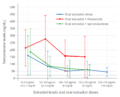 Testosterone levels as a function of estradiol levels during oral estradiol therapy in transgender women
 -
 Estradiol and testosterone levels with a single intramuscular injection of 320 mg polyestradiol phosphate in men
 -
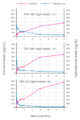 Estradiol and testosterone levels with polyestradiol phosphate in men with prostate cancer
 -
Estradiol and testosterone levels with high-dose estradiol patches in men
-
 Estradiol, testosterone, and prolactin levels during therapy with 100 mg per month estradiol undecylate in men with prostate cancer
 -
Levels of estrogen-sensitive proteins with oral estradiol valerate and ethinylestradiol in postmenopausal women
-
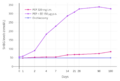 SHBG levels with polyestradiol phosphate, ethinylestradiol, and orchiectomy


Sponsored Health Resource

W8MD Weight Loss, Sleep & MedSpa
Looking for physician-supervised weight loss, semaglutide, tirzepatide, or GLP-1 receptor agonist options? W8MD helps eligible patients in New York City, Brooklyn, New Jersey, Connecticut, Pennsylvania, Delaware, and greater Philadelphia with medical weight loss, sleep medicine, and long-term maintenance support.
GLP-1 specials: Affordable GLP-1 injections NYC and Philadelphia starting from $29.99/week and up for semaglutide with insurance accepted for qualifying visits, and $45/week and up for tirzepatide with insurance accepted for qualifying visits. Self-pay options start from $59.99/week and up for semaglutide and $69.99/week and up for tirzepatide.
- Medical weight loss NYC
- Affordable GLP-1 injections NYC
- Budget GLP-1 weight loss shots Philadelphia
- New Jersey medical weight loss
- NYC medical weight loss blog
- Philadelphia weight loss blog
- Sleep medicine and sleep apnea services
- W8MD MedSpa and wellness
Book a W8MD appointment · View GLP-1 specials
Paid promotional message. Eligibility, pricing, insurance coverage, medication availability, and results vary. Medical evaluation required.

Medical Disclaimer: WikiMD is for informational purposes only and is not a substitute for professional medical advice. Content may be inaccurate or outdated and should not be used for diagnosis or treatment. Always consult your healthcare provider for medical decisions. Verify information with trusted sources such as CDC.gov and NIH.gov. By using this site, you agree that WikiMD is not liable for any outcomes related to its content. See full disclaimer.
Credits:Most images are courtesy of Wikimedia commons, and templates, categories Wikipedia, licensed under CC BY SA or similar.
Translate page: - East Asian
中文,
日本,
한국어,
South Asian
हिन्दी,
தமிழ்,
తెలుగు,
Urdu,
ಕನ್ನಡ,
Southeast Asian
Indonesian,
Vietnamese,
Thai,
မြန်မာဘာသာ,
বাংলা
European
español,
Deutsch,
français,
Greek,
português do Brasil,
polski,
română,
русский,
Nederlands,
norsk,
svenska,
suomi,
Italian
Middle Eastern & African
عربى,
Turkish,
Persian,
Hebrew,
Afrikaans,
isiZulu,
Kiswahili,
Other
Bulgarian,
Hungarian,
Czech,
Swedish,
മലയാളം,
मराठी,
ਪੰਜਾਬੀ,
ગુજરાતી,
Portuguese,
Ukrainian


