Cantharidin
Cantharidin is a chemical compound that has been of interest in various fields such as medicine, pharmacology, and entomology. It is a terpenoid with the chemical formula C_10H_12O_4, known for its role as a defense mechanism in several beetle species, most notably the Spanish fly (Lytta vesicatoria). This substance causes blistering on contact with skin, which has led to its use in traditional medicine as a topical treatment for warts and molluscum contagiosum.
History[edit]
The use of cantharidin for medical purposes dates back to ancient times, where it was used in various cultures for its supposed aphrodisiac and medicinal properties. However, its use has been limited in modern medicine due to the potential for severe side effects.
Chemical Properties[edit]
Cantharidin is a colorless, odorless solid at room temperature. It is poorly soluble in water but highly soluble in organic solvents such as ethanol and ether. Its mechanism of action involves inhibiting the enzyme phosphatase 2A, leading to cell death and, consequently, the formation of blisters when applied topically.
Biological Sources[edit]
The primary source of cantharidin is the Spanish fly, a type of blister beetle. Other species of blister beetles in the families Meloidae and Oedemeridae also produce cantharidin as a defense mechanism against predators.
Medical Use[edit]
In the field of dermatology, cantharidin is used in the treatment of skin conditions such as warts and molluscum contagiosum. It is applied topically by healthcare professionals, and its blistering effect helps in removing the affected skin tissue. However, due to its toxic nature, the use of cantharidin must be carefully controlled, and it is not widely available for over-the-counter use.
Safety and Toxicity[edit]
Cantharidin is highly toxic if ingested, leading to severe gastrointestinal and urinary tract irritation, potentially resulting in fatal poisoning. There is no specific antidote for cantharidin poisoning, and treatment is supportive and symptomatic.
Regulation[edit]
Due to its potential for harm, the availability and use of cantharidin are regulated in many countries. In some jurisdictions, it is only available for use by licensed healthcare professionals in a clinical setting.
Conclusion[edit]
While cantharidin has been used historically for its medicinal properties, its application in modern medicine is limited due to its toxicity and potential for causing severe side effects. Ongoing research into its mechanism of action and potential therapeutic uses continues, with the hope of finding safer ways to harness its biological activities.

-
 2D structure of Cantharidin
 -
3D model of Cantharidin
-
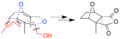 Biosynthesis pathway of Cantharidin
 -
Lytta vesicatoria, source of Cantharidin


Sponsored Health Resource

W8MD Weight Loss, Sleep & MedSpa
Looking for physician-supervised weight loss, semaglutide, tirzepatide, or GLP-1 receptor agonist options? W8MD helps eligible patients in New York City, Brooklyn, New Jersey, Connecticut, Pennsylvania, Delaware, and greater Philadelphia with medical weight loss, sleep medicine, and long-term maintenance support.
GLP-1 specials: Affordable GLP-1 injections NYC and Philadelphia starting from $29.99/week and up for semaglutide with insurance accepted for qualifying visits, and $45/week and up for tirzepatide with insurance accepted for qualifying visits. Self-pay options start from $59.99/week and up for semaglutide and $69.99/week and up for tirzepatide.
- Medical weight loss NYC
- Affordable GLP-1 injections NYC
- Budget GLP-1 weight loss shots Philadelphia
- New Jersey medical weight loss
- NYC medical weight loss blog
- Philadelphia weight loss blog
- Sleep medicine and sleep apnea services
- W8MD MedSpa and wellness
Book a W8MD appointment · View GLP-1 specials
Paid promotional message. Eligibility, pricing, insurance coverage, medication availability, and results vary. Medical evaluation required.

Medical Disclaimer: WikiMD is for informational purposes only and is not a substitute for professional medical advice. Content may be inaccurate or outdated and should not be used for diagnosis or treatment. Always consult your healthcare provider for medical decisions. Verify information with trusted sources such as CDC.gov and NIH.gov. By using this site, you agree that WikiMD is not liable for any outcomes related to its content. See full disclaimer.
Credits:Most images are courtesy of Wikimedia commons, and templates, categories Wikipedia, licensed under CC BY SA or similar.
Translate page: - East Asian
中文,
日本,
한국어,
South Asian
हिन्दी,
தமிழ்,
తెలుగు,
Urdu,
ಕನ್ನಡ,
Southeast Asian
Indonesian,
Vietnamese,
Thai,
မြန်မာဘာသာ,
বাংলা
European
español,
Deutsch,
français,
Greek,
português do Brasil,
polski,
română,
русский,
Nederlands,
norsk,
svenska,
suomi,
Italian
Middle Eastern & African
عربى,
Turkish,
Persian,
Hebrew,
Afrikaans,
isiZulu,
Kiswahili,
Other
Bulgarian,
Hungarian,
Czech,
Swedish,
മലയാളം,
मराठी,
ਪੰਜਾਬੀ,
ગુજરાતી,
Portuguese,
Ukrainian


