Muscle Energy of the Ribs
The muscle energy technique (MET) is a form of manual therapy that uses the patient's own muscle forces in a specific direction to improve biomechanical efficiency of the ribs. This technique is often used by physiotherapists, osteopaths, and chiropractors to treat conditions related to the ribs, such as rib dysfunction and costochondritis.
Anatomy of the Ribs[edit]
The human rib cage, also known as the thoracic cage, is a bony and cartilaginous structure which surrounds the thoracic cavity and supports the pectoral girdle. It consists of 24 ribs, 12 on each side, which are attached to the vertebral column at the back and the sternum (breastbone) at the front. The ribs are categorized into three types: true ribs, false ribs, and floating ribs.
Muscle Energy Technique (MET)[edit]
The muscle energy technique is a type of osteopathic manipulative treatment (OMT) that uses voluntary contraction of the patient's muscles against a distinctly controlled counterforce applied by the practitioner. This technique is used to improve musculoskeletal function and manage pain.
Application of MET on Ribs[edit]
In the context of the ribs, MET can be used to address issues such as rib dysfunction, which can cause pain and restrict breathing. The practitioner will typically identify the dysfunctional rib or ribs, and then guide the patient through specific movements and contractions to correct the issue.
Benefits of MET for Ribs[edit]
MET can help to increase the range of motion, reduce muscular tension, and promote circulation around the ribs. This can lead to improved breathing, reduced pain, and increased overall function of the thoracic cage.
Risks and Contraindications[edit]
While MET is generally considered safe, it should be performed by a trained professional to avoid potential risks such as muscle strain or injury. It may not be suitable for patients with certain conditions such as osteoporosis, acute inflammation, or certain types of cancer.
See Also[edit]
References[edit]
 | This medical article is a stub. You can help WikiMD by expanding the page. |
Muscle Energy of the Ribs[edit]
-
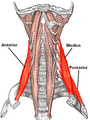 Scalenus muscles involved in rib movement
 -
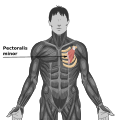 Pectoralis minor muscle affecting rib position
 -
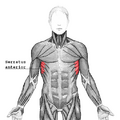 Serratus anterior muscle and its role in rib elevation
 -
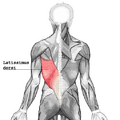 Latissimus dorsi muscle contributing to rib motion
 -
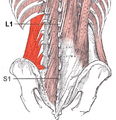 Quadratus lumborum muscle and its impact on the ribs


Sponsored Health Resource

W8MD Weight Loss, Sleep & MedSpa
Looking for physician-supervised weight loss, semaglutide, tirzepatide, or GLP-1 receptor agonist options? W8MD helps eligible patients in New York City, Brooklyn, New Jersey, Connecticut, Pennsylvania, Delaware, and greater Philadelphia with medical weight loss, sleep medicine, and long-term maintenance support.
GLP-1 specials: Affordable GLP-1 injections NYC and Philadelphia starting from $29.99/week and up for semaglutide with insurance accepted for qualifying visits, and $45/week and up for tirzepatide with insurance accepted for qualifying visits. Self-pay options start from $59.99/week and up for semaglutide and $69.99/week and up for tirzepatide.
- Medical weight loss NYC
- Affordable GLP-1 injections NYC
- Budget GLP-1 weight loss shots Philadelphia
- New Jersey medical weight loss
- NYC medical weight loss blog
- Philadelphia weight loss blog
- Sleep medicine and sleep apnea services
- W8MD MedSpa and wellness
Book a W8MD appointment · View GLP-1 specials
Paid promotional message. Eligibility, pricing, insurance coverage, medication availability, and results vary. Medical evaluation required.

Medical Disclaimer: WikiMD is for informational purposes only and is not a substitute for professional medical advice. Content may be inaccurate or outdated and should not be used for diagnosis or treatment. Always consult your healthcare provider for medical decisions. Verify information with trusted sources such as CDC.gov and NIH.gov. By using this site, you agree that WikiMD is not liable for any outcomes related to its content. See full disclaimer.
Credits:Most images are courtesy of Wikimedia commons, and templates, categories Wikipedia, licensed under CC BY SA or similar.
Translate page: - East Asian
中文,
日本,
한국어,
South Asian
हिन्दी,
தமிழ்,
తెలుగు,
Urdu,
ಕನ್ನಡ,
Southeast Asian
Indonesian,
Vietnamese,
Thai,
မြန်မာဘာသာ,
বাংলা
European
español,
Deutsch,
français,
Greek,
português do Brasil,
polski,
română,
русский,
Nederlands,
norsk,
svenska,
suomi,
Italian
Middle Eastern & African
عربى,
Turkish,
Persian,
Hebrew,
Afrikaans,
isiZulu,
Kiswahili,
Other
Bulgarian,
Hungarian,
Czech,
Swedish,
മലയാളം,
मराठी,
ਪੰਜਾਬੀ,
ગુજરાતી,
Portuguese,
Ukrainian

