Trichothecene
A group of mycotoxins produced by various fungi
Trichothecenes are a group of mycotoxins produced by various species of fungi, particularly those belonging to the genera Fusarium, Myrothecium, Trichoderma, and Stachybotrys. These compounds are known for their potent toxicity and have been implicated in a variety of animal and human health issues.
Structure and Classification[edit]
Trichothecenes are sesquiterpenes characterized by a tricyclic 12,13-epoxytrichothec-9-ene skeleton. They are divided into four main types based on their chemical structure: Type A, Type B, Type C, and Type D. Each type has distinct functional groups that influence their biological activity and toxicity.

Type A[edit]
Type A trichothecenes, such as T-2 toxin and HT-2 toxin, lack a ketone group at the C-8 position. They are among the most toxic trichothecenes and are known to inhibit protein synthesis.
Type B[edit]
Type B trichothecenes, including deoxynivalenol (DON) and nivalenol, possess a ketone group at the C-8 position. These compounds are commonly found in contaminated cereal grains.
Type C[edit]
Type C trichothecenes have an additional epoxide group, which increases their reactivity and potential toxicity.
Type D[edit]
Type D trichothecenes are characterized by a macrocyclic ring, which is formed by esterification of the hydroxyl groups. This structure is found in compounds like satratoxin and verrucarin.

Mechanism of Action[edit]
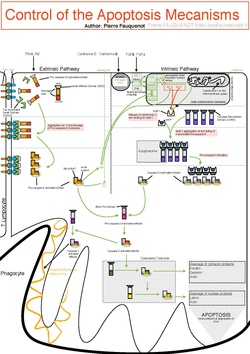
Trichothecenes exert their toxic effects primarily by inhibiting protein synthesis in eukaryotic cells. They bind to the 60S ribosomal subunit, preventing the elongation of the polypeptide chain. This inhibition leads to cell death and apoptosis.
Health Effects[edit]
Exposure to trichothecenes can cause a range of health effects, including gastrointestinal distress, immunosuppression, and dermatitis. In severe cases, exposure can lead to hemorrhagic syndromes and neurotoxicity.
Alimentary Toxic Aleukia[edit]
One of the most notorious outbreaks associated with trichothecenes is alimentary toxic aleukia (ATA), which occurred in the Soviet Union during the 1940s. This condition was caused by the consumption of moldy grain contaminated with trichothecenes.

Decontamination and Control[edit]
Decontamination of trichothecene-contaminated materials is challenging due to their chemical stability. Methods such as deepoxydation and thermal degradation have been explored to reduce their toxicity.

Related Pages[edit]
References[edit]
Sponsored Health Resource

W8MD Weight Loss, Sleep & MedSpa
Looking for physician-supervised weight loss, semaglutide, tirzepatide, or GLP-1 receptor agonist options? W8MD helps eligible patients in New York City, Brooklyn, New Jersey, Connecticut, Pennsylvania, Delaware, and greater Philadelphia with medical weight loss, sleep medicine, and long-term maintenance support.
GLP-1 specials: Affordable GLP-1 injections NYC and Philadelphia starting from $29.99/week and up for semaglutide with insurance accepted for qualifying visits, and $45/week and up for tirzepatide with insurance accepted for qualifying visits. Self-pay options start from $59.99/week and up for semaglutide and $69.99/week and up for tirzepatide.
- Medical weight loss NYC
- Affordable GLP-1 injections NYC
- Budget GLP-1 weight loss shots Philadelphia
- New Jersey medical weight loss
- NYC medical weight loss blog
- Philadelphia weight loss blog
- Sleep medicine and sleep apnea services
- W8MD MedSpa and wellness
Book a W8MD appointment · View GLP-1 specials
Paid promotional message. Eligibility, pricing, insurance coverage, medication availability, and results vary. Medical evaluation required.

Medical Disclaimer: WikiMD is for informational purposes only and is not a substitute for professional medical advice. Content may be inaccurate or outdated and should not be used for diagnosis or treatment. Always consult your healthcare provider for medical decisions. Verify information with trusted sources such as CDC.gov and NIH.gov. By using this site, you agree that WikiMD is not liable for any outcomes related to its content. See full disclaimer.
Credits:Most images are courtesy of Wikimedia commons, and templates, categories Wikipedia, licensed under CC BY SA or similar.
Translate page: - East Asian
中文,
日本,
한국어,
South Asian
हिन्दी,
தமிழ்,
తెలుగు,
Urdu,
ಕನ್ನಡ,
Southeast Asian
Indonesian,
Vietnamese,
Thai,
မြန်မာဘာသာ,
বাংলা
European
español,
Deutsch,
français,
Greek,
português do Brasil,
polski,
română,
русский,
Nederlands,
norsk,
svenska,
suomi,
Italian
Middle Eastern & African
عربى,
Turkish,
Persian,
Hebrew,
Afrikaans,
isiZulu,
Kiswahili,
Other
Bulgarian,
Hungarian,
Czech,
Swedish,
മലയാളം,
मराठी,
ਪੰਜਾਬੀ,
ગુજરાતી,
Portuguese,
Ukrainian

