Alcohol thermometer
A thermometer that uses alcohol as the liquid for measuring temperature
An alcohol thermometer is a type of thermometer that uses alcohol as the liquid for measuring temperature. It is a common alternative to the mercury-in-glass thermometer and is used in various applications due to its safety and environmental benefits.
Design and Function[edit]
An alcohol thermometer consists of a glass tube filled with a liquid mixture of alcohol and a dye, which makes the liquid visible. The alcohol expands and contracts with temperature changes, moving up and down the tube to indicate the temperature on a calibrated scale.
Components[edit]
- Glass tube: The tube is typically made of glass, which is transparent and allows for easy reading of the temperature.
- Alcohol: The alcohol used is usually ethanol or isopropanol, which are chosen for their low freezing points and high boiling points.
- Dye: A dye is added to the alcohol to make it visible against the glass.
- Scale: The scale is marked on the glass tube or on a separate backing, calibrated in degrees Celsius or Fahrenheit.
Advantages[edit]
- Safety: Alcohol is less toxic than mercury, making alcohol thermometers safer to use, especially in educational settings.
- Environmental impact: Alcohol is less harmful to the environment compared to mercury.
- Cost: Alcohol thermometers are generally less expensive to produce than mercury thermometers.
Disadvantages[edit]
- Accuracy: Alcohol thermometers are generally less accurate than mercury thermometers.
- Range: The temperature range is limited compared to mercury thermometers, as alcohol has a lower boiling point.
Applications[edit]
Alcohol thermometers are used in various applications, including:
- Meteorology: For measuring ambient temperatures in weather stations.
- Education: In schools and laboratories for teaching purposes.
- Refrigeration: For monitoring temperatures in refrigerators and freezers.
History[edit]
The alcohol thermometer was invented by Daniel Gabriel Fahrenheit in the early 18th century. It was one of the first thermometers to use a liquid other than mercury, providing a safer alternative for temperature measurement.
Related pages[edit]
Gallery[edit]
-
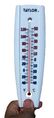 An alcohol-in-glass thermometer
 -
 A spirit thermometer


Sponsored Health Resource

W8MD Weight Loss, Sleep & MedSpa
Looking for physician-supervised weight loss, semaglutide, tirzepatide, or GLP-1 receptor agonist options? W8MD helps eligible patients in New York City, Brooklyn, New Jersey, Connecticut, Pennsylvania, Delaware, and greater Philadelphia with medical weight loss, sleep medicine, and long-term maintenance support.
GLP-1 specials: Affordable GLP-1 injections NYC and Philadelphia starting from $29.99/week and up for semaglutide with insurance accepted for qualifying visits, and $45/week and up for tirzepatide with insurance accepted for qualifying visits. Self-pay options start from $59.99/week and up for semaglutide and $69.99/week and up for tirzepatide.
Medical weight loss NYC | Affordable GLP-1 injections NYC | Budget GLP-1 weight loss shots Philadelphia | New Jersey medical weight loss | NYC medical weight loss | Philadelphia medical weight loss | Sleep clinic NYC | W8MD's Philadelphia GLP-1 doctor | Weight loss prescriptions NYC
Book a W8MD appointment · View GLP-1 specials
Paid promotional message. Eligibility, pricing, insurance coverage, medication availability, and results vary. Medical evaluation required.

Medical Disclaimer: WikiMD is for informational purposes only and is not a substitute for professional medical advice. Content may be inaccurate or outdated and should not be used for diagnosis or treatment. Always consult your healthcare provider for medical decisions. Verify information with trusted sources such as CDC.gov and NIH.gov. By using this site, you agree that WikiMD is not liable for any outcomes related to its content. See full disclaimer.
Credits:Most images are courtesy of Wikimedia commons, and templates, categories Wikipedia, licensed under CC BY SA or similar.
Translate page: - East Asian
中文,
日本,
한국어,
South Asian
हिन्दी,
தமிழ்,
తెలుగు,
Urdu,
ಕನ್ನಡ,
Southeast Asian
Indonesian,
Vietnamese,
Thai,
မြန်မာဘာသာ,
বাংলা
European
español,
Deutsch,
français,
Greek,
português do Brasil,
polski,
română,
русский,
Nederlands,
norsk,
svenska,
suomi,
Italian
Middle Eastern & African
عربى,
Turkish,
Persian,
Hebrew,
Afrikaans,
isiZulu,
Kiswahili,
Other
Bulgarian,
Hungarian,
Czech,
Swedish,
മലയാളം,
मराठी,
ਪੰਜਾਬੀ,
ગુજરાતી,
Portuguese,
Ukrainian

