Facioscapulohumeral muscular dystrophy

Editor-In-Chief: Prab R Tumpati, MD
Obesity, Sleep & Internal medicine
Founder, WikiMD Wellnesspedia &
W8MD's weight loss doctor NYC
Philadelphia GLP-1 weight loss and GLP-1 clinic NYC
| Facioscapulohumeral muscular dystrophy | |
|---|---|

| |
| Synonyms | FSHD, Landouzy-Dejerine muscular dystrophy |
| Pronounce | |
| Specialty | Neurology, Genetics |
| Symptoms | Muscle weakness, Facial muscle weakness, Scapular winging, Foot drop |
| Complications | N/A |
| Onset | Typically adolescence or early adulthood |
| Duration | Lifelong |
| Types | FSHD1, FSHD2 |
| Causes | Genetic mutation on chromosome 4 (FSHD1), SMCHD1 mutation (FSHD2) |
| Risks | Family history |
| Diagnosis | Genetic testing, Muscle biopsy |
| Differential diagnosis | Limb-girdle muscular dystrophy, Myotonic dystrophy |
| Prevention | N/A |
| Treatment | Physical therapy, Orthotic devices, Surgical intervention |
| Medication | Pain management, Anti-inflammatory drugs |
| Prognosis | Variable, generally slowly progressive |
| Frequency | 1 in 20,000 |
| Deaths | N/A |
Facioscapulohumeral muscular dystrophy (FSHD) is a genetic muscle disorder characterized by progressive skeletal muscle weakness. It primarily affects the muscles of the face, shoulder blades, and upper arms.
Signs and Symptoms[edit]
FSHD symptoms typically begin in adolescence or early adulthood. Common signs include:
- Weakness in the facial muscles, leading to difficulty with facial expressions.
- Scapular winging due to weakness in the shoulder girdle muscles.
- Weakness in the upper arm muscles, affecting the ability to lift objects.
- As the disease progresses, it may also affect the abdominal muscles and lower limb muscles.
Genetics[edit]
FSHD is usually inherited in an autosomal dominant pattern. It is associated with a genetic mutation on chromosome 4, specifically a contraction of the D4Z4 repeat region. There are two main types of FSHD:
- FSHD1: Caused by a contraction of the D4Z4 repeat on chromosome 4q35.
- FSHD2: Involves mutations in the SMCHD1 gene, which affects the same region.
Diagnosis[edit]
Diagnosis of FSHD is based on clinical evaluation, family history, and genetic testing. Electromyography (EMG) and muscle biopsy may also be used to assess muscle function and structure.
Management[edit]
There is currently no cure for FSHD, but management focuses on maintaining muscle function and quality of life. Treatment options include:
- Physical therapy to improve muscle strength and flexibility.
- Occupational therapy to assist with daily activities.
- Use of orthotic devices to support weakened muscles.
- Pain management strategies, including medications and lifestyle modifications.
Research[edit]
Ongoing research aims to better understand the genetic mechanisms of FSHD and develop targeted therapies. Clinical trials are exploring potential treatments, including gene therapy and myostatin inhibitors.
Facioscapulohumeral muscular dystrophy images[edit]
-
 Facioscapulohumeral muscular dystrophy
 -
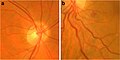 Facioscapulohumeral muscular dystrophy
 -
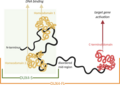 Facioscapulohumeral muscular dystrophy
 -
 Facioscapulohumeral muscular dystrophy
 -
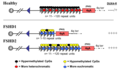 Facioscapulohumeral muscular dystrophy
 -
 Facioscapulohumeral muscular dystrophy
 -
 Facioscapulohumeral muscular dystrophy
 -
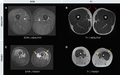 Facioscapulohumeral muscular dystrophy
 -
 Facioscapulohumeral muscular dystrophy
 -
 Facioscapulohumeral muscular dystrophy
 -
 Facioscapulohumeral muscular dystrophy


See Also[edit]
References[edit]
External Links[edit]
- [FSHD Society](https://www.fshdsociety.org/)
- [Muscular Dystrophy Association](https://www.mda.org/)
| Muscular dystrophy | ||||||||
|---|---|---|---|---|---|---|---|---|
* Category
|
Sponsored Health Resource

W8MD Weight Loss, Sleep & MedSpa
Looking for physician-supervised weight loss, semaglutide, tirzepatide, or GLP-1 receptor agonist options? W8MD helps eligible patients in New York City, Brooklyn, New Jersey, Connecticut, Pennsylvania, Delaware, and greater Philadelphia with medical weight loss, sleep medicine, and long-term maintenance support.
GLP-1 specials: Affordable GLP-1 injections NYC and Philadelphia starting from $29.99/week and up for semaglutide with insurance accepted for qualifying visits, and $45/week and up for tirzepatide with insurance accepted for qualifying visits. Self-pay options start from $59.99/week and up for semaglutide and $69.99/week and up for tirzepatide.
- Medical weight loss NYC
- Affordable GLP-1 injections NYC
- Budget GLP-1 weight loss shots Philadelphia
- New Jersey medical weight loss
- NYC medical weight loss blog
- Philadelphia weight loss blog
- Sleep medicine and sleep apnea services
- W8MD MedSpa and wellness
Book a W8MD appointment · View GLP-1 specials
Paid promotional message. Eligibility, pricing, insurance coverage, medication availability, and results vary. Medical evaluation required.

Medical Disclaimer: WikiMD is for informational purposes only and is not a substitute for professional medical advice. Content may be inaccurate or outdated and should not be used for diagnosis or treatment. Always consult your healthcare provider for medical decisions. Verify information with trusted sources such as CDC.gov and NIH.gov. By using this site, you agree that WikiMD is not liable for any outcomes related to its content. See full disclaimer.
Credits:Most images are courtesy of Wikimedia commons, and templates, categories Wikipedia, licensed under CC BY SA or similar.
Translate page: - East Asian
中文,
日本,
한국어,
South Asian
हिन्दी,
தமிழ்,
తెలుగు,
Urdu,
ಕನ್ನಡ,
Southeast Asian
Indonesian,
Vietnamese,
Thai,
မြန်မာဘာသာ,
বাংলা
European
español,
Deutsch,
français,
Greek,
português do Brasil,
polski,
română,
русский,
Nederlands,
norsk,
svenska,
suomi,
Italian
Middle Eastern & African
عربى,
Turkish,
Persian,
Hebrew,
Afrikaans,
isiZulu,
Kiswahili,
Other
Bulgarian,
Hungarian,
Czech,
Swedish,
മലയാളം,
मराठी,
ਪੰਜਾਬੀ,
ગુજરાતી,
Portuguese,
Ukrainian

