Mizagliflozin
| Mizagliflozin | |
|---|---|
|
| |
| Chemical nomenclature | |
| IUPAC name | (2S,3R,4R,5S,6R)-2-(4-chloro-3-(4-((1S)-1-hydroxyethyl)phenyl)phenyl)-6-(hydroxymethyl)oxane-3,4,5-triol
|
| Identifiers | |
| CAS Number | 123456-78-9 |
| PubChem | 12345678
|
| ChemSpider | 12345678
|

Mizagliflozin is a pharmaceutical compound that belongs to the class of sodium-glucose co-transporter 2 inhibitors (SGLT2 inhibitors). It is primarily used in the management of type 2 diabetes mellitus by promoting the excretion of glucose through the urine, thereby lowering blood glucose levels.
Mechanism of Action[edit]
Mizagliflozin works by inhibiting the SGLT2 protein in the proximal tubules of the kidney. SGLT2 is responsible for the reabsorption of glucose from the glomerular filtrate back into the bloodstream. By blocking this transporter, mizagliflozin reduces glucose reabsorption, leading to increased glucose excretion in the urine (glycosuria) and a subsequent reduction in blood glucose levels.
Pharmacokinetics[edit]
Mizagliflozin is administered orally and is absorbed in the gastrointestinal tract. It has a bioavailability of approximately 60-70%. The drug is metabolized primarily in the liver and excreted via the kidneys. The half-life of mizagliflozin is approximately 12-14 hours, allowing for once-daily dosing.
Clinical Use[edit]
Mizagliflozin is indicated for the treatment of type 2 diabetes mellitus in adults. It is often used in combination with other antidiabetic agents such as metformin or insulin to achieve better glycemic control. The drug is particularly beneficial for patients who are overweight or have cardiovascular risk factors, as it has been shown to promote weight loss and reduce blood pressure.
Side Effects[edit]
Common side effects of mizagliflozin include urinary tract infections, genital mycotic infections, and increased urination. These are related to the increased glucose concentration in the urine. Rare but serious side effects include ketoacidosis and acute kidney injury.
Contraindications[edit]
Mizagliflozin is contraindicated in patients with severe renal impairment, end-stage renal disease, or those on dialysis. It should also be used with caution in patients with a history of recurrent urinary tract infections or genital infections.
Research and Development[edit]
Mizagliflozin is currently undergoing clinical trials to evaluate its efficacy and safety in various populations, including those with chronic kidney disease and heart failure. Ongoing studies are also exploring its potential benefits in reducing cardiovascular events in diabetic patients.
Also see[edit]
| Diabetes drugs | ||||||||||
|---|---|---|---|---|---|---|---|---|---|---|
|
-
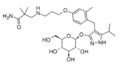 Mizagliflozin structure
Sponsored Health Resource

W8MD Weight Loss, Sleep & MedSpa
Looking for physician-supervised weight loss, semaglutide, tirzepatide, or GLP-1 receptor agonist options? W8MD helps eligible patients in New York City, Brooklyn, New Jersey, Connecticut, Pennsylvania, Delaware, and greater Philadelphia with medical weight loss, sleep medicine, and long-term maintenance support.
GLP-1 specials: Affordable GLP-1 injections NYC and Philadelphia starting from $29.99/week and up for semaglutide with insurance accepted for qualifying visits, and $45/week and up for tirzepatide with insurance accepted for qualifying visits. Self-pay options start from $59.99/week and up for semaglutide and $69.99/week and up for tirzepatide.
- Medical weight loss NYC
- Affordable GLP-1 injections NYC
- Budget GLP-1 weight loss shots Philadelphia
- New Jersey medical weight loss
- NYC medical weight loss blog
- Philadelphia weight loss blog
- Sleep medicine and sleep apnea services
- W8MD MedSpa and wellness
Book a W8MD appointment · View GLP-1 specials
Paid promotional message. Eligibility, pricing, insurance coverage, medication availability, and results vary. Medical evaluation required.

Medical Disclaimer: WikiMD is for informational purposes only and is not a substitute for professional medical advice. Content may be inaccurate or outdated and should not be used for diagnosis or treatment. Always consult your healthcare provider for medical decisions. Verify information with trusted sources such as CDC.gov and NIH.gov. By using this site, you agree that WikiMD is not liable for any outcomes related to its content. See full disclaimer.
Credits:Most images are courtesy of Wikimedia commons, and templates, categories Wikipedia, licensed under CC BY SA or similar.
Translate page: - East Asian
中文,
日本,
한국어,
South Asian
हिन्दी,
தமிழ்,
తెలుగు,
Urdu,
ಕನ್ನಡ,
Southeast Asian
Indonesian,
Vietnamese,
Thai,
မြန်မာဘာသာ,
বাংলা
European
español,
Deutsch,
français,
Greek,
português do Brasil,
polski,
română,
русский,
Nederlands,
norsk,
svenska,
suomi,
Italian
Middle Eastern & African
عربى,
Turkish,
Persian,
Hebrew,
Afrikaans,
isiZulu,
Kiswahili,
Other
Bulgarian,
Hungarian,
Czech,
Swedish,
മലയാളം,
मराठी,
ਪੰਜਾਬੀ,
ગુજરાતી,
Portuguese,
Ukrainian

