Feline zoonosis

Editor-In-Chief: Prab R Tumpati, MD
Obesity, Sleep & Internal medicine
Founder, WikiMD Wellnesspedia &
W8MD's weight loss doctor NYC
Philadelphia GLP-1 weight loss and GLP-1 clinic NYC
| Feline zoonosis | |
|---|---|

| |
| Synonyms | N/A |
| Pronounce | N/A |
| Specialty | N/A |
| Symptoms | Varies depending on the specific zoonotic disease |
| Complications | Potential transmission of diseases from cats to humans |
| Onset | Varies |
| Duration | Varies |
| Types | N/A |
| Causes | Bacterial, viral, parasitic, and fungal infections |
| Risks | Close contact with cats, especially those that are stray or feral |
| Diagnosis | Based on clinical signs and laboratory tests |
| Differential diagnosis | Other sources of zoonotic infections |
| Prevention | Proper hygiene, regular veterinary care for cats |
| Treatment | Depends on the specific disease |
| Medication | N/A |
| Prognosis | Varies depending on the disease |
| Frequency | Common in areas with high cat populations |
| Deaths | N/A |
Feline zoonosis is a type of zoonosis that refers to diseases that can be transmitted from cats to humans. These diseases can be caused by various types of pathogens, including bacteria, viruses, fungi, and parasites.
Causes[edit]
Feline zoonosis can be caused by a variety of pathogens. Some of the most common include:
- Toxoplasmosis: This is a parasitic disease caused by the Toxoplasma gondii parasite. Cats are the primary host of this parasite, and humans can become infected through contact with cat feces.
- Cat Scratch Disease: Also known as Bartonellosis, this is a bacterial infection that can be transmitted to humans through a cat scratch or bite.
- Rabies: This is a viral disease that can be transmitted to humans through a bite from an infected cat.
Symptoms[edit]
The symptoms of feline zoonosis can vary depending on the specific disease. However, common symptoms can include:
- Fever
- Fatigue
- Headache
- Muscle aches
- Swollen lymph nodes
Prevention[edit]
Prevention of feline zoonosis primarily involves good hygiene practices. This can include:
- Washing hands thoroughly after handling cats
- Avoiding contact with stray cats
- Keeping cats indoors to reduce their exposure to other infected animals
- Regularly cleaning and disinfecting cat litter boxes
Treatment[edit]
Treatment for feline zoonosis depends on the specific disease. This can range from antibiotics for bacterial infections, to antiviral medications for viral infections, to antiparasitic medications for parasitic infections.
Images[edit]
-
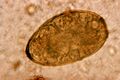 Paragonimus westermani, a lung fluke

See Also[edit]

Sponsored Health Resource

W8MD Weight Loss, Sleep & MedSpa
Looking for physician-supervised weight loss, semaglutide, tirzepatide, or GLP-1 receptor agonist options? W8MD helps eligible patients in New York City, Brooklyn, New Jersey, Connecticut, Pennsylvania, Delaware, and greater Philadelphia with medical weight loss, sleep medicine, and long-term maintenance support.
GLP-1 specials: Affordable GLP-1 injections NYC and Philadelphia starting from $29.99/week and up for semaglutide with insurance accepted for qualifying visits, and $45/week and up for tirzepatide with insurance accepted for qualifying visits. Self-pay options start from $59.99/week and up for semaglutide and $69.99/week and up for tirzepatide.
- Medical weight loss NYC
- Affordable GLP-1 injections NYC
- Budget GLP-1 weight loss shots Philadelphia
- New Jersey medical weight loss
- NYC medical weight loss blog
- Philadelphia weight loss blog
- Sleep medicine and sleep apnea services
- W8MD MedSpa and wellness
Book a W8MD appointment · View GLP-1 specials
Paid promotional message. Eligibility, pricing, insurance coverage, medication availability, and results vary. Medical evaluation required.

Medical Disclaimer: WikiMD is for informational purposes only and is not a substitute for professional medical advice. Content may be inaccurate or outdated and should not be used for diagnosis or treatment. Always consult your healthcare provider for medical decisions. Verify information with trusted sources such as CDC.gov and NIH.gov. By using this site, you agree that WikiMD is not liable for any outcomes related to its content. See full disclaimer.
Credits:Most images are courtesy of Wikimedia commons, and templates, categories Wikipedia, licensed under CC BY SA or similar.
Translate page: - East Asian
中文,
日本,
한국어,
South Asian
हिन्दी,
தமிழ்,
తెలుగు,
Urdu,
ಕನ್ನಡ,
Southeast Asian
Indonesian,
Vietnamese,
Thai,
မြန်မာဘာသာ,
বাংলা
European
español,
Deutsch,
français,
Greek,
português do Brasil,
polski,
română,
русский,
Nederlands,
norsk,
svenska,
suomi,
Italian
Middle Eastern & African
عربى,
Turkish,
Persian,
Hebrew,
Afrikaans,
isiZulu,
Kiswahili,
Other
Bulgarian,
Hungarian,
Czech,
Swedish,
മലയാളം,
मराठी,
ਪੰਜਾਬੀ,
ગુજરાતી,
Portuguese,
Ukrainian

