Occupational cardiovascular disease

Editor-In-Chief: Prab R Tumpati, MD
Obesity, Sleep & Internal medicine
Founder, WikiMD Wellnesspedia &
W8MD's weight loss doctor NYC
Philadelphia GLP-1 weight loss and GLP-1 clinic NYC
| Occupational cardiovascular disease | |
|---|---|
| Error creating thumbnail: File with dimensions greater than 12.5 MP | |
| Synonyms | N/A |
| Pronounce | N/A |
| Specialty | N/A |
| Symptoms | Chest pain, shortness of breath, fatigue, palpitations |
| Complications | Heart attack, stroke, heart failure |
| Onset | Varies, often related to work stress |
| Duration | Chronic |
| Types | N/A |
| Causes | Work-related stress, long working hours, sedentary lifestyle |
| Risks | High blood pressure, smoking, obesity, diabetes |
| Diagnosis | Electrocardiogram, blood tests, stress test |
| Differential diagnosis | Non-occupational cardiovascular disease |
| Prevention | Work-life balance, stress management, regular exercise |
| Treatment | Lifestyle changes, medication, counseling |
| Medication | N/A |
| Prognosis | Varies, depends on severity and management |
| Frequency | Increasing in high-stress occupations |
| Deaths | Significant, especially in high-stress environments |
Occupational Cardiovascular Disease is a type of cardiovascular disease that is caused or exacerbated by work-related factors. These factors can include physical strain, stress, exposure to harmful substances, and unhealthy lifestyle habits that are associated with certain occupations.
Causes[edit]
Occupational cardiovascular disease can be caused by a variety of work-related factors. These can include:
- Physical strain: Certain occupations require heavy physical labor, which can put strain on the heart and increase the risk of cardiovascular disease.
- Stress: High-stress jobs can contribute to the development of cardiovascular disease. Stress can lead to high blood pressure, which is a risk factor for heart disease.
- Exposure to harmful substances: Some jobs involve exposure to harmful substances that can damage the heart. For example, exposure to asbestos can increase the risk of heart disease.
- Unhealthy lifestyle habits: Certain occupations may encourage unhealthy lifestyle habits, such as smoking or a sedentary lifestyle, which can increase the risk of cardiovascular disease.
Symptoms[edit]
The symptoms of occupational cardiovascular disease can vary depending on the specific type of heart disease. However, common symptoms can include:
- Chest pain or discomfort
- Shortness of breath
- Fatigue
- Rapid or irregular heartbeat
- Dizziness or fainting
Prevention[edit]
Prevention of occupational cardiovascular disease involves addressing the work-related factors that can contribute to heart disease. This can include:
- Reducing physical strain at work
- Managing stress
- Avoiding exposure to harmful substances
- Promoting healthy lifestyle habits at work
Treatment[edit]
Treatment for occupational cardiovascular disease typically involves managing the underlying heart condition. This can include medication, lifestyle changes, and in some cases, surgery.
Gallery[edit]
-
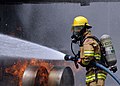 Occupational cardiovascular disease
 -
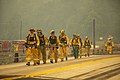 Occupational cardiovascular disease


See Also[edit]

Sponsored Health Resource

W8MD Weight Loss, Sleep & MedSpa
Looking for physician-supervised weight loss, semaglutide, tirzepatide, or GLP-1 receptor agonist options? W8MD helps eligible patients in New York City, Brooklyn, New Jersey, Connecticut, Pennsylvania, Delaware, and greater Philadelphia with medical weight loss, sleep medicine, and long-term maintenance support.
GLP-1 specials: Affordable GLP-1 injections NYC and Philadelphia starting from $29.99/week and up for semaglutide with insurance accepted for qualifying visits, and $45/week and up for tirzepatide with insurance accepted for qualifying visits. Self-pay options start from $59.99/week and up for semaglutide and $69.99/week and up for tirzepatide.
- Medical weight loss NYC
- Affordable GLP-1 injections NYC
- Budget GLP-1 weight loss shots Philadelphia
- New Jersey medical weight loss
- NYC medical weight loss blog
- Philadelphia weight loss blog
- Sleep medicine and sleep apnea services
- W8MD MedSpa and wellness
Book a W8MD appointment · View GLP-1 specials
Paid promotional message. Eligibility, pricing, insurance coverage, medication availability, and results vary. Medical evaluation required.

Medical Disclaimer: WikiMD is for informational purposes only and is not a substitute for professional medical advice. Content may be inaccurate or outdated and should not be used for diagnosis or treatment. Always consult your healthcare provider for medical decisions. Verify information with trusted sources such as CDC.gov and NIH.gov. By using this site, you agree that WikiMD is not liable for any outcomes related to its content. See full disclaimer.
Credits:Most images are courtesy of Wikimedia commons, and templates, categories Wikipedia, licensed under CC BY SA or similar.
Translate page: - East Asian
中文,
日本,
한국어,
South Asian
हिन्दी,
தமிழ்,
తెలుగు,
Urdu,
ಕನ್ನಡ,
Southeast Asian
Indonesian,
Vietnamese,
Thai,
မြန်မာဘာသာ,
বাংলা
European
español,
Deutsch,
français,
Greek,
português do Brasil,
polski,
română,
русский,
Nederlands,
norsk,
svenska,
suomi,
Italian
Middle Eastern & African
عربى,
Turkish,
Persian,
Hebrew,
Afrikaans,
isiZulu,
Kiswahili,
Other
Bulgarian,
Hungarian,
Czech,
Swedish,
മലയാളം,
मराठी,
ਪੰਜਾਬੀ,
ગુજરાતી,
Portuguese,
Ukrainian


