Salivary gland fistula
Salivary gland fistula is a pathological condition characterized by an abnormal connection (fistula) between a salivary gland and the skin or the oral cavity. This condition can occur as a result of trauma, surgery, or infection and can lead to various complications such as recurrent sialadenitis, salivary gland swelling, and persistent salivary leakage.
Etiology[edit]
The most common cause of salivary gland fistula is trauma, either accidental or surgical. Accidental trauma can occur due to a penetrating injury to the face or neck, while surgical trauma can occur during procedures involving the salivary glands or surrounding structures. Infections, particularly those caused by Staphylococcus aureus, can also lead to the formation of a fistula.
Pathophysiology[edit]
A salivary gland fistula forms when there is a breach in the integrity of the salivary gland or its duct system. This allows saliva to leak out and form a tract to the skin or oral cavity. The constant flow of saliva through this tract can prevent it from healing, leading to the formation of a permanent fistula.
Clinical Presentation[edit]
Patients with a salivary gland fistula typically present with persistent salivary leakage from a small opening in the skin or oral cavity. This can lead to skin irritation and infection. Other symptoms can include pain, swelling of the affected salivary gland, and recurrent episodes of sialadenitis.
Diagnosis[edit]
The diagnosis of a salivary gland fistula is usually made based on the patient's history and clinical examination. Imaging studies such as ultrasound, computed tomography (CT) scan, or magnetic resonance imaging (MRI) can be used to confirm the diagnosis and assess the extent of the fistula.
Treatment[edit]
The treatment of a salivary gland fistula depends on its cause, location, and severity. Conservative measures such as pressure dressings and antibiotics may be used in mild cases. In more severe cases, surgical intervention may be required to close the fistula and restore the integrity of the salivary gland.
 | This medical article is a stub. You can help WikiMD by expanding the page. |
-
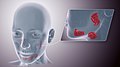 Salivary gland fistula

Sponsored Health Resource

W8MD Weight Loss, Sleep & MedSpa
Looking for physician-supervised weight loss, semaglutide, tirzepatide, or GLP-1 receptor agonist options? W8MD helps eligible patients in New York City, Brooklyn, New Jersey, Connecticut, Pennsylvania, Delaware, and greater Philadelphia with medical weight loss, sleep medicine, and long-term maintenance support.
GLP-1 specials: Affordable GLP-1 injections NYC and Philadelphia starting from $29.99/week and up for semaglutide with insurance accepted for qualifying visits, and $45/week and up for tirzepatide with insurance accepted for qualifying visits. Self-pay options start from $59.99/week and up for semaglutide and $69.99/week and up for tirzepatide.
- Medical weight loss NYC
- Affordable GLP-1 injections NYC
- Budget GLP-1 weight loss shots Philadelphia
- New Jersey medical weight loss
- NYC medical weight loss blog
- Philadelphia weight loss blog
- Sleep medicine and sleep apnea services
- W8MD MedSpa and wellness
Book a W8MD appointment · View GLP-1 specials
Paid promotional message. Eligibility, pricing, insurance coverage, medication availability, and results vary. Medical evaluation required.

Medical Disclaimer: WikiMD is for informational purposes only and is not a substitute for professional medical advice. Content may be inaccurate or outdated and should not be used for diagnosis or treatment. Always consult your healthcare provider for medical decisions. Verify information with trusted sources such as CDC.gov and NIH.gov. By using this site, you agree that WikiMD is not liable for any outcomes related to its content. See full disclaimer.
Credits:Most images are courtesy of Wikimedia commons, and templates, categories Wikipedia, licensed under CC BY SA or similar.
Translate page: - East Asian
中文,
日本,
한국어,
South Asian
हिन्दी,
தமிழ்,
తెలుగు,
Urdu,
ಕನ್ನಡ,
Southeast Asian
Indonesian,
Vietnamese,
Thai,
မြန်မာဘာသာ,
বাংলা
European
español,
Deutsch,
français,
Greek,
português do Brasil,
polski,
română,
русский,
Nederlands,
norsk,
svenska,
suomi,
Italian
Middle Eastern & African
عربى,
Turkish,
Persian,
Hebrew,
Afrikaans,
isiZulu,
Kiswahili,
Other
Bulgarian,
Hungarian,
Czech,
Swedish,
മലയാളം,
मराठी,
ਪੰਜਾਬੀ,
ગુજરાતી,
Portuguese,
Ukrainian

